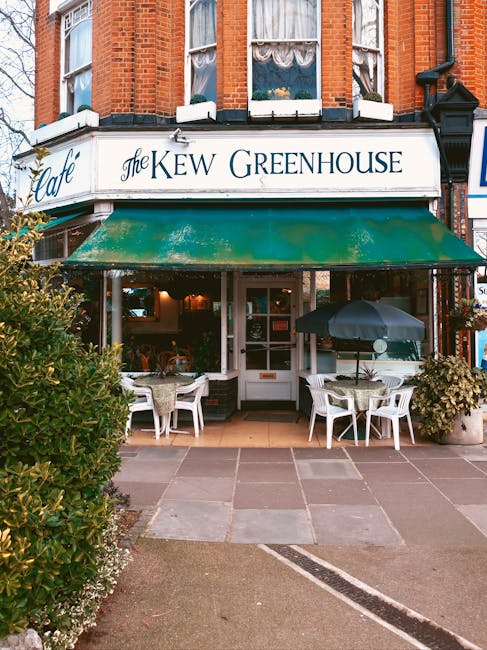
Business garden maintenance for Upper Walthamstow shops and cafes
If you run a shop or cafe in Upper Walthamstow, your outdoor space is doing more work than you might think. A few planters by the door, a small courtyard, a paved seating area, or even a strip of frontage can quietly shape how people feel before they walk in. Business garden maintenance for Upper Walthamstow shops and cafes is about keeping those spaces neat, safe, welcoming, and aligned with the kind of customer experience you want to create.
And honestly, it's often the small details that decide whether a place feels cared for or a bit forgotten. A swept patio, a clipped hedge, healthy planting, and weeds kept in check can lift the whole atmosphere. In a busy local setting, that matters. This guide breaks down what commercial garden maintenance involves, how it works, what to prioritise, and the practical mistakes to avoid if you want your outdoor area to earn its keep rather than create extra hassle.
Contents
- Why Business garden maintenance for Upper Walthamstow shops and cafes Matters
- How Business garden maintenance for Upper Walthamstow shops and cafes Works
- Key Benefits and Practical Advantages
- Who This Is For and When It Makes Sense
- Step-by-Step Guidance
- Expert Tips for Better Results
- Common Mistakes to Avoid
- Tools, Resources and Recommendations
- Law, Compliance, Standards, or Best Practice
- Options, Methods, or Comparison Table
- Case Study or Real-World Example
- Practical Checklist
- Conclusion
- Frequently Asked Questions
Why Business garden maintenance for Upper Walthamstow shops and cafes Matters
For a business, the outside space is part of the brand. That sounds a bit glossy, but it's true. Customers notice the approach to your entrance, the state of your planting, and whether the front of the property looks intentional or neglected. For cafes especially, an outdoor area can be the difference between a quick takeaway stop and someone deciding to sit in, stay longer, and come back again.
In Upper Walthamstow, where many shops and cafes rely on foot traffic and repeat local visits, presentation matters more than most owners first expect. People walking past are making tiny judgements all the time. Is this place looked after? Does it feel open? Is it pleasant to sit near? Is the path slippery or clear? Those impressions build trust fast.
There's also a practical side. Leaves build up, weeds creep through paving, hedges block light, and planters can look tired in no time, especially after a wet spell. A clean, calm frontage helps a business look open for trade, not half-asleep. If you've ever seen a nicely kept cafe terrace on a grey morning, you'll know what I mean. It just feels more inviting.
Garden upkeep also supports safety. Overgrown plants can hide signage or make entrances awkward. Wet moss on paving can become a slip risk. Low branches and brambles can snag clothing or create a cramped feel. None of that is dramatic on its own, but together it can quietly damage customer experience.
For businesses that serve food and drink, tidy outdoor planting can also support the tone of the venue. Herbs in planters, seasonal colour, and a well-shaped hedge can make a small outdoor area feel considered rather than improvised. If you are thinking about planting choices as well as maintenance, the guide on cultivating a herb garden is a useful companion read for cafe owners who want practical, attractive planting.
How Business garden maintenance for Upper Walthamstow shops and cafes Works
Commercial garden maintenance is usually built around routine, light-touch care rather than one-off rescue jobs. The aim is to keep things presentable every week or every fortnight, depending on the site. For some businesses that means a simple frontage tidy. For others, it includes hedge trimming, lawn care, patio cleaning, and regular plant replacements.
A typical maintenance visit might include:
- weeding beds, planters, and paved edges
- lawn mowing or lawn care where turf is present
- hedge trimming to keep sightlines open
- deadheading and pruning for healthier planting
- patio or seating-area cleaning
- checking for broken stems, pests, or stressed plants
- removing litter or windblown debris
The best approach depends on what you actually have on site. A shop with planters and a narrow frontage does not need the same treatment as a cafe courtyard with decking, fencing, and planted borders. That sounds obvious, but a lot of businesses buy maintenance as a vague idea, then wonder why the results feel off. It helps to start with the surface you see every day, then build from there.
For example, if your space includes hard landscaping, pressure-free cleaning and careful sweeping can matter as much as planting. A patio that looks tidy can make seating areas feel ready for customers. If your frontage has grown uneven, a reliable patio cleaning service can help restore the crisp, cared-for look that customers notice instantly.
In more structured outdoor spaces, the work may also include edging, mulching, replanting tired containers, or light repairs. It's rarely about grand redesigns every time. Usually it is about rhythm and consistency. Garden maintenance works best when it is boring in the best possible way. Steady, reliable, low-drama.
Key Benefits and Practical Advantages
Good garden upkeep does more than make a business look tidy. It supports operations, customer behaviour, and even staff morale. People tend to underestimate that last part. If your team arrives each morning to a clean, ordered frontage, the day starts differently. A messy outdoor area has a way of spilling stress into the rest of the site.
1. Better first impressions
Fresh planting, well-cut edges, and clean paving all suggest care. That matters for new customers who do not know your business yet. They are reading the space before they read your menu or your window display.
2. More comfortable outdoor seating
Cafes with seating outside need outdoor areas that feel pleasant and usable. Regular pruning, sweeping, and weed control prevent that slightly grim, scruffy feeling that can put people off sitting down.
3. Lower long-term repair needs
Letting plants overgrow or paving deteriorate usually costs more later. Roots, trapped moisture, moss, and blocked drainage can all create avoidable problems. A little routine care is usually cheaper than a late rescue. Not always, but often enough to matter.
4. Safer access
Clear sightlines, uncluttered paths, and less leaf build-up all help reduce trip and slip risks. That is especially useful around entrances where customers are carrying coffee, pushing prams, or moving quickly in wet weather.
5. Stronger local identity
A business that looks thoughtfully maintained can feel rooted in the neighbourhood. Small details help here: seasonal planting, a simple hedge shape, a compact herb border, or a neat line of planters. It reads as care, not clutter.
If your outdoor area needs more than maintenance and you're considering a refreshed layout, landscaping in Upper Walthamstow can be the next sensible step. A better layout often makes maintenance easier too, which is a nice bonus.
Who This Is For and When It Makes Sense
This kind of maintenance is not just for big venues with formal gardens. It makes sense for all sorts of local businesses that want their outdoor space to do a job quietly and well.
It is especially useful if you run:
- a cafe with outdoor tables or a small courtyard
- a shop with frontage planting or window planters
- a takeaway with a paved customer waiting area
- a salon, deli, florist, or bakery with a visible entrance space
- a mixed-use premises where the garden area needs to look tidy every day
It also makes sense when you notice any of the following:
- customers are stepping around weeds or debris near the door
- plants are dying off faster than you can replace them
- your hedge or screening has become untidy and blocks sightlines
- the outdoor area looks good on one day and rough two weeks later
- staff keep mentioning the garden because it has become another job nobody wants
Truth be told, the right time to start is often before things look bad. Once a frontage has slipped into a neglected state, pulling it back can feel like one more headache in a busy week. Regular commercial upkeep keeps it from reaching that point.
For businesses with seating or timber features, you may also want to think about decking services as part of the wider plan. Decking can be stylish, but it needs care to stay safe and sharp-looking.
Step-by-Step Guidance
If you are setting up or reviewing a maintenance plan, it helps to work through it in a clear order. That way, you do not pay for nice-looking extras while missing the basics.
Step 1: Walk the site like a customer
Stand at the street, approach the door, and look at the space from the outside in. Ask yourself what a passer-by sees in the first five seconds. This is where many issues show up. Overgrown edges, dead plants, blocked signs, dirty paving, and tired containers usually jump out once you look properly.
Step 2: Separate hard surfaces from living planting
Hard landscaping and planting need different care. Paved areas may need sweeping, moss control, and cleaning. Beds and planters need trimming, deadheading, watering, soil care, and seasonal refreshes. A good maintenance plan treats them separately rather than lumping everything together.
Step 3: Decide your frequency
Busy frontage areas often need weekly attention. More sheltered or less visible spaces may only need fortnightly or monthly visits. There is no universal rule. The right schedule depends on traffic, weather exposure, plant type, and how polished you want the space to look.
Step 4: Prioritise the high-visibility features
Focus first on the things customers notice most: the entrance, signage line, seating area, and window edge planting. If those are neat, the whole space feels better. It is a bit like wiping down the shop counter before anything else. Start where the eye lands.
Step 5: Build in seasonal tasks
Spring and summer usually mean more growth, watering, and deadheading. Autumn brings leaf fall and more sweeping. Winter is the time to protect plants, reduce waterlogged damage, and keep surfaces safe. A thoughtful schedule changes with the weather rather than fighting it.
Step 6: Review after the first month
After a few visits, assess what still looks scruffy or what keeps taking the most time. Sometimes the answer is more frequent hedge trimming. Sometimes it is a better planting scheme. Sometimes the issue is not the gardener at all, but a poor layout that makes upkeep fiddly.
Expert Tips for Better Results
Small decisions make a big difference in commercial spaces. Here are the bits that tend to matter most in practice.
- Choose low-fuss plants near entrances. Anything fragile, spiky, or high-maintenance near foot traffic tends to create problems. Keep the most durable planting closest to the customer route.
- Use repetition. A few repeated species or matching planters usually look calmer than a mixed jumble of colours and forms.
- Trim before plants become awkward. It is easier to keep shape than to rescue it later. This is especially true with hedging, where delay can make the job more expensive and less tidy.
- Keep watering practical. In a busy business setting, plants that need constant attention tend to become a burden. Plan for what staff can realistically support between visits.
- Think about sightlines. Customers should be able to see the entrance, the menu board, or the shop display clearly. Gardening should frame, not hide, those features.
- Pay attention to the wind. Upper Walthamstow can have open, breezy spots. Some planters dry out quickly and taller plants can get battered. Choosing the right structure matters. If exposure is a problem, the article on managing powerful winds in your garden offers a useful perspective.
A small aside: the most beautiful business frontage is often the one that looks like nobody had to wrestle with it that morning. That's the trick, really.
Common Mistakes to Avoid
Most business garden problems come from neglect, but not all. Some come from trying to make the space do too much. A few common mistakes are worth calling out.
Letting the space become a storage zone
Bins, spare signs, broken pots, and random equipment have a habit of creeping into outdoor areas. Once that happens, the garden stops feeling like part of the customer experience and starts feeling like the back of house. Keep the boundaries clear.
Choosing plants that outgrow the space
What looks elegant in a brochure can become a nuisance in real life. Fast-growing climbers, aggressive shrubs, and trees with heavy root systems need careful thought. If you already have mature trees or oversized branches causing trouble, it may be time to consider tree surgery in Upper Walthamstow rather than just trying to prune around the issue.
Ignoring paving, decking, and edges
It is easy to focus on the planting and miss the surfaces. Dirty paving or slippery decking can undo the whole look. If you have a mixed outdoor setup, maintenance should cover everything customers actually touch and walk on.
Using too many plant styles
Mixing too many colours, heights, and container types can make the space feel chaotic. That can work in a very specific design, but for most businesses a cleaner visual rhythm is safer and easier to keep tidy.
Skipping seasonal reviews
What works in spring may look tired by late autumn. If you don't review the plan, the space drifts. Fast. A 10-minute seasonal check can save a lot of faff later.
Tools, Resources and Recommendations
You do not need a shed full of specialist equipment to keep a commercial garden under control, but the right tools make maintenance much smoother.
Commonly useful items include:
- good secateurs for deadheading and light pruning
- hedge trimmers for clean lines and regular shaping
- a sturdy broom and leaf collector for entrances and paving
- weed removal tools for cracks and borders
- watering cans or a reliable irrigation plan for planters
- basic gloves, rakes, and storage for clippings
For businesses that want to understand the broader setup before choosing a maintenance pattern, the guide on garden maintenance in Upper Walthamstow is a sensible place to start. It helps frame the difference between routine upkeep and more involved work.
If your property has a lawned frontage or a small grass section, regular mowing and lawn care are worth thinking about as a separate service. Grass that is cut too infrequently tends to look untidy very quickly, especially around a commercial entrance where neatness is the whole point.
For seating areas, you may also want to consider practical materials and finishes that are easy to clean. A lovely outdoor area is nice. A lovely outdoor area that can be cleaned without drama is better.
Law, Compliance, Standards, or Best Practice
Garden maintenance for businesses in the UK sits within a mix of practical duty, property care, and sensible risk management. It is not usually about one dramatic rule. It is more about keeping the premises safe, accessible, and reasonably well maintained.
A few best-practice points are worth keeping in mind:
- Keep access routes clear. Entrances, exits, and customer walkways should not be obstructed by overgrowth, trailing plants, or loose debris.
- Reduce slip risks. Wet leaves, algae, moss, and mud on paving can become a problem if not cleared regularly.
- Check work at height carefully. If hedges or trees need substantial cutting, it is sensible to use trained help rather than guesswork.
- Dispose of green waste properly. Clippings, branches, and soil should be removed or handled in a tidy, responsible way.
- Consider staff and customer safety. Pruning, cutting, or cleaning should be timed to minimise disruption and avoid hazards during opening hours.
For businesses serving the public, the safest approach is usually the simplest one: keep the area visible, clear, and well looked after. If a feature is becoming hard to maintain, that is often a sign it needs rethinking rather than being patched up forever. A tidy fence line can help define space too, and fencing services can be useful where a business wants cleaner boundaries or a more private seating area.
Best practice also means choosing maintenance that matches the property. A cafe courtyard with paving, planting, and timber finishes needs a different routine from a small retail frontage with two planters and a hedge. That's normal. The aim is fit, not fuss.
Options, Methods, or Comparison Table
There are a few ways shops and cafes usually approach outdoor maintenance. Each has advantages, and the right one depends on how visible the space is, how much traffic it gets, and how much control you want.
| Approach | Best for | Pros | Watch-outs |
|---|---|---|---|
| Basic tidy-only visits | Small frontages, low planting, simple customer entrances | Low cost, fast, straightforward | Can miss longer-term plant health or seasonal buildup |
| Routine maintenance plan | Cafes and shops with visible outdoor areas | Consistent presentation, fewer surprises, better safety | Needs a clear schedule and sensible priorities |
| Maintenance plus light improvements | Sites that want to look sharper without full redesign | Improves appearance and usability together | Requires more planning and slightly more budget |
| Maintenance with landscaping refresh | Tired, awkward, or hard-to-manage spaces | Can reset the whole frontage and reduce future upkeep | More initial work, so it needs a proper brief |
If you already know the space is structurally awkward or visually dated, a maintenance-only approach may feel a bit like polishing a dented car bonnet. Fine for a while, but not the whole answer. In that case, a combination of maintenance and landscaping support is often the cleaner long-term move.
Case Study or Real-World Example
Imagine a small cafe in Upper Walthamstow with two front planters, a narrow paved seating strip, and a hedge that had slowly grown just a bit too bold. Nothing dramatic. Just enough to make the front feel slightly cramped. Customers could still get in easily, but the space no longer matched the warmth of the coffee inside.
The fix was not a full redesign. That would have been overkill. Instead, the cafe introduced a regular upkeep plan: hedge trimming before the hedge started leaning into the path, a patio clean after damp weeks, weeding around the planter edges, and simple seasonal plant replacement to keep colour going through the year. They also switched one awkward planter for a lower-maintenance container setup with hardy greenery.
The difference was visible almost immediately. The frontage looked lighter. The entrance felt more open. Staff stopped spending time on emergency tidying, which honestly is one of the hidden wins. The outdoor area became something that supported the business rather than quietly nagged at it.
That is the pattern I see most often. Not magic. Just consistent care, sensible priorities, and a layout that makes upkeep easier rather than harder. A bit dull on paper, maybe. Very effective in real life.
Practical Checklist
Use this checklist if you are planning or reviewing business garden maintenance for your shop or cafe.
- Is the entrance clear, tidy, and easy to spot from the street?
- Are paving, decking, and seating areas free from moss, algae, and debris?
- Are weeds under control in borders, joints, and planter edges?
- Are hedges and shrubs trimmed so they do not block signs or access?
- Do the plants still suit the space, light levels, and weather exposure?
- Is there a realistic watering plan for dry spells?
- Are seasonal tasks scheduled rather than left to chance?
- Are bins, storage, and service items kept separate from customer-facing areas?
- Can staff maintain the space between professional visits without stress?
- Would a small landscaping change make the whole area easier to manage?
If you can answer "yes" to most of those, you are in good shape. If not, there is no need to panic. A few focused changes usually go a long way.
Conclusion
Business garden maintenance for Upper Walthamstow shops and cafes is really about protecting the experience you are already trying to create. A tidy frontage, clean surfaces, healthy planting, and a sensible schedule all help customers feel welcome the moment they arrive. They also make life easier for staff, which is not a small thing.
The best commercial outdoor spaces are not the fanciest ones. They are the ones that feel intentional, calm, and easy to look after. That is the sweet spot. Not perfect. Just properly looked after, week after week, so the place keeps doing its quiet job without becoming a burden.
If your outdoor area is beginning to ask for more attention than your team can spare, that's usually the right moment to get a plan in place rather than wait for it to get worse.
Get a free quote today and see how much you can save.
Frequently Asked Questions
What does business garden maintenance usually include for shops and cafes?
It usually covers routine tidying such as weeding, hedge trimming, mowing, patio cleaning, pruning, deadheading, and keeping entrances and seating areas presentable. The exact mix depends on the space.
How often should a shop or cafe garden be maintained?
Most visible commercial spaces benefit from weekly or fortnightly care, though some smaller or more sheltered areas can be maintained less often. Growth rate, weather, and customer footfall all affect the schedule.
Is regular garden maintenance worth it for a small cafe frontage?
Yes, usually. Even a small frontage shapes first impressions. A neat entrance and tidy planting can make a cafe feel more welcoming and easier to trust.
What is the difference between garden maintenance and landscaping?
Maintenance keeps an existing space neat and healthy. Landscaping changes the layout, structure, or planting design. Many businesses use both, but they solve different problems.
Can outdoor seating areas be included in garden maintenance?
Absolutely. Seating areas often need the most attention because customers use them directly. Cleaning paving, trimming surrounding planting, and keeping the space clear are all part of the job.
What are the biggest risks of neglecting commercial garden upkeep?
The main risks are poor presentation, customer discomfort, trip hazards, blocked access, and more expensive repair work later. Small problems tend to snowball if they are ignored.
Do cafe planters need special care?
Yes. Planters dry out faster than ground beds, especially in exposed spots. They often need more watering, seasonal refreshes, and occasional soil replacement to keep looking good.
How do I know if my business garden needs a full refresh?
If maintenance is becoming harder each month, plants keep failing, or the layout feels awkward for customers and staff, a refresh may be more efficient than repeated patching.
Are there any safety concerns with garden maintenance for businesses?
Yes. Wet paving, loose debris, overgrown edges, and heavy pruning all create potential hazards. Work should be planned so customers and staff stay safe and walkways stay open.
Can garden maintenance help with customer experience?
Very much so. A cared-for outdoor space can make the business feel more inviting, more relaxed, and more professional. It can also encourage people to stay longer.
What should I ask before hiring help for commercial garden maintenance?
Ask what tasks are included, how often visits happen, whether they handle both planting and hard-surface cleaning, and how they adapt to seasonal changes. Clear expectations save trouble later.
What if my outdoor space is too small for a big maintenance plan?
Then keep it simple. A small space can still look excellent with a light but regular routine. The key is consistency, not complexity.